
lightbulb
Market idea
You know the customer, use case and price band. We propose product directions and material options.
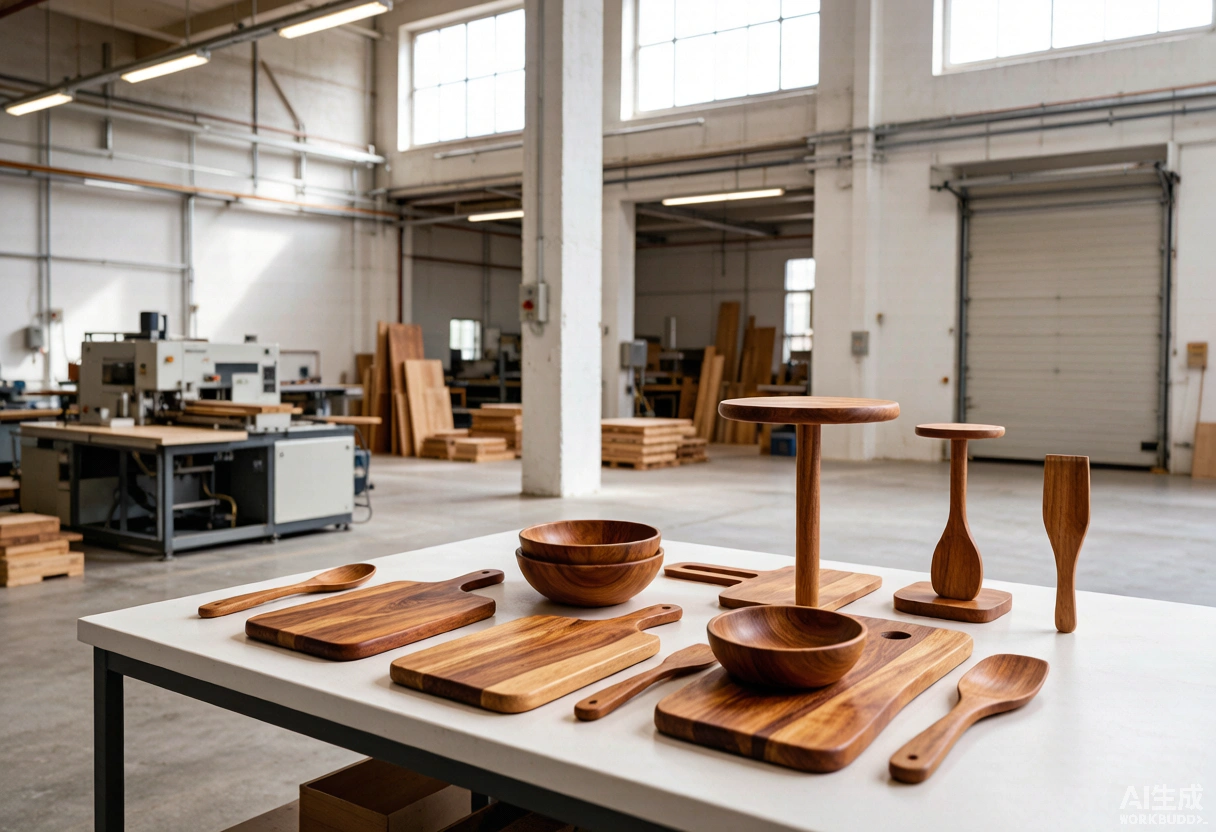
Start with a customer problem, moodboard or target price. Our development workflow shapes the concept, material system, prototype and packaging into a private-label product.
ODM projects can begin at different levels of definition. Select the path closest to your current brief.
You know the customer, use case and price band. We propose product directions and material options.
You have sketches, a moodboard or competitor references. We develop form, function and dimensions.
You have an early prototype that needs engineering, cost reduction or production optimization.
Mark the information you already have. The result gives you a practical next step before starting an ODM conversation.
Share your opportunity, target market and commercial goal. We will recommend the next development step.
Define the target customer, intended use, price direction and the features that distinguish the product. Agree the work to be delivered at each stage: concept review, drawings, prototype and production sample. Costs and timing depend on the approved scope, not a universal development package.
Provide references you are entitled to share. Design ownership, confidentiality, tooling ownership and any exclusivity must be agreed in writing; a similar reference product does not establish permission to reproduce protected designs. Review the OEM versus ODM sourcing guide when choosing a starting point.
Confirm functional fit, natural color variation, logo placement, accessories and packaging against a recorded sample revision. Agree acceptance criteria and applicable testing for the destination market. No blanket certification, free sample or fixed lead-time commitment is implied.
Use the sample approval checklist and homeware inspection guide before authorizing bulk production. For a coordinated branded range, review the private-label program.